
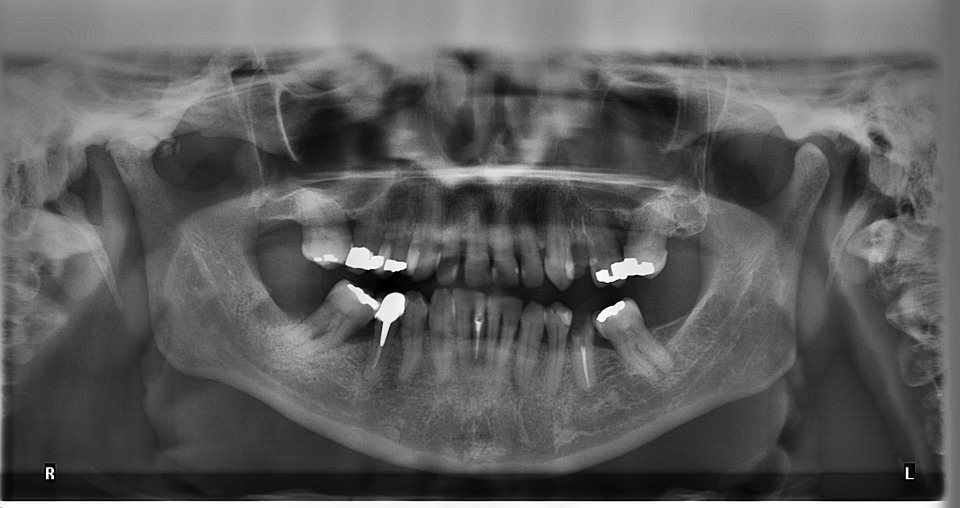
Dental fillings are a common and essential part of dental care, helping to restore teeth that have been damaged by decay or trauma. If you’re facing the prospect of getting a filling, or just curious about the process, understanding the various aspects of dental fillings can alleviate concerns and equip you with knowledge. This comprehensive guide will cover everything from types of fillings to care post-treatment, along with some frequently asked questions.
What Are Dental Fillings?
Dental fillings are materials used to fill cavities or spaces in teeth caused by decay, wear, or damage. They serve not only to restore the shape and function of a tooth but also to prevent further decay and damage. Depending on the severity of the damage, a filling may be all that is needed, or it might be complemented by other procedures like crowns or root canals.
The Need for Dental Fillings
The most common reason for a dental filling is tooth decay, which occurs when plaque—a sticky film of bacteria—forms on teeth and produces acids that eat away at tooth enamel. Other causes for fillings include:
- Chips or Cracks: Teeth can become chipped or cracked due to grinding, trauma, or biting hard foods.
- Wear and Tear: Over time, natural wear can create areas that may need filling to maintain tooth integrity.
Cavities, if left untreated, can lead to more severe conditions, including infection and tooth loss. Hence, addressing dental issues promptly is essential.
Types of Dental Fillings
-
Composite Fillings:
- Made from a resin material that can be colored to match the tooth.
- Ideal for fillings in visible areas like front teeth.
- Bond well to the tooth structure and provide good durability.
-
Amalgam Fillings:
- Composed of a mixture of metals, including silver, mercury, tin, and copper.
- Known for their strength and longevity.
- Generally used for fillings in the back teeth due to their color.
-
Ceramic Fillings:
- Made from porcelain, these fillings also offer an aesthetically pleasing appearance.
- Resistant to staining and wear but may require more enamel removal during application.
-
Glass Ionomer Fillings:
- Made from a blend of acrylic and glass materials.
- Best utilized for fillings below the gum line or in children’s teeth because they release fluoride.
- Less durable than composite or amalgam fillings.
-
Resin Ionomer Fillings:
- Similar to glass ionomer but with resin added for added strength.
- Suitable for non-load-bearing areas.
The Filling Procedure
Getting a dental filling typically involves several steps during an office visit:
-
Diagnosis and Local Anesthesia:
- The dentist examines the tooth, often using X-rays to assess the extent of decay. Local anesthesia may be administered to minimize discomfort.
-
Cavity Preparation:
- The dentist removes the decayed portion of the tooth with a drill or laser, cleaning out any debris.
-
Filling Placement:
- The chosen filling material is placed and shaped to match the natural contours of the tooth.
-
Setting the Filling:
- Depending on the material used, the filling may need to be cured with a special light or allowed to harden naturally.
-
Final Adjustments:
- After the filling sets, the dentist checks your bite and makes any necessary adjustments to ensure comfort and functionality.
Aftercare for Dental Fillings
Proper aftercare is crucial to ensure the longevity of dental fillings. Here are some tips for post-treatment care:
- Avoid Hard Foods: For at least 24 hours post-filling, try to avoid hard or sticky foods that could dislodge the filling.
- Practice Good Oral Hygiene: Brush twice a day and floss regularly to maintain oral health and prevent new cavities.
- Regular Check-ups: Schedule routine dental visits for professional cleanings and to monitor the condition of your fillings.
- Pain Management: If you experience discomfort after the anesthesia wears off, consult your dentist. Over-the-counter pain relief may also help.
Potential Risks and Complications
While dental fillings are generally safe, some risks can be associated:
- Sensitivity: Some patients experience temporary sensitivity to hot and cold temperatures.
- Filling Failure: In rare cases, fillings can loosen, chip, or fall out, requiring replacement.
- Tooth Staining: Certain materials, like composite fillings, might stain or wear down over time.
FAQs About Dental Fillings
1. How do I know if I need a filling?
If you experience tooth pain, sensitivity, or see visible holes in your teeth, it’s best to consult a dentist for an evaluation.
2. Are dental fillings painful?
Most patients report minimal discomfort due to local anesthesia used during the procedure. Post-treatment sensitivity can occur but usually fades with time.
3. How long do fillings last?
The lifespan of fillings varies depending on the material used and oral habits but can range from 5 to 15 years. Regular check-ups can help monitor their condition.
4. Can I eat after getting a filling?
You should avoid chewing on the side of the filling for at least 24 hours. Always consult your dentist for specific recommendations.
5. What are the signs of filling failure?
Signs include persistent pain, visible cracks, or rough spots on the filling. If you notice any of these symptoms, consult your dentist.
6. Are dental fillings safe?
Yes, dental fillings are safe and commonly used. Dentists choose materials based on the patient’s needs and dental health.
Conclusion
Understanding dental fillings is essential for anyone who wishes to maintain their oral health. With various types available and a straightforward procedure, getting a filling can be a relatively stress-free experience. By being informed and proactive about your dental care, you can ensure that your smile remains healthy and vibrant for years to come. Always consult your dentist with any concerns or questions—your oral health is worth it!
About the Author