
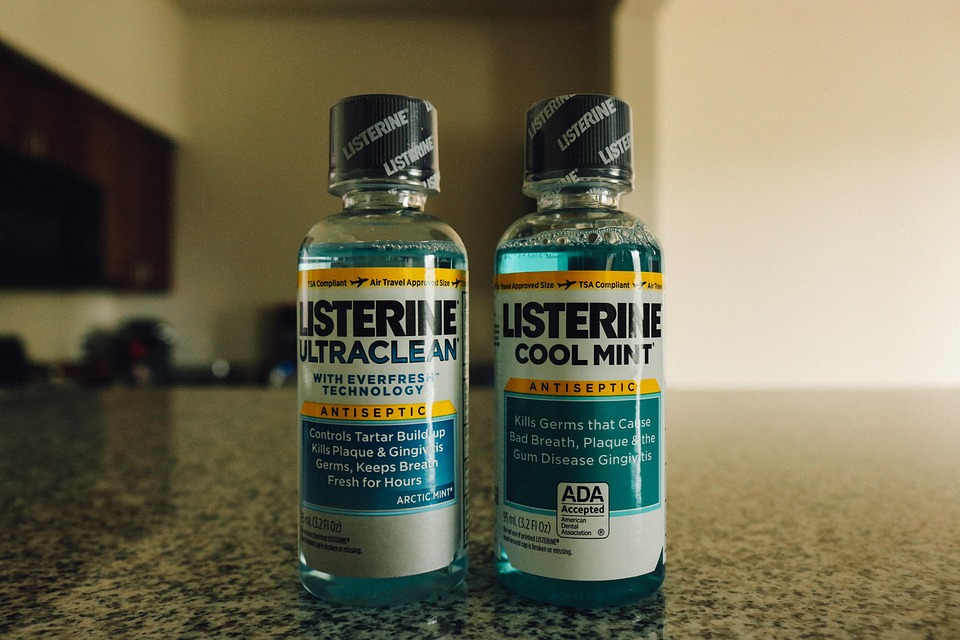
A sparkling smile not only boosts your confidence but also plays a crucial role in overall health. While brushing and flossing are essential components of dental care, mouthwash is often an overlooked yet powerful ally in maintaining optimal oral hygiene. In this article, we’ll explore the benefits of mouthwash and how it can contribute to a healthier smile.
Understanding Mouthwash
Mouthwash, also known as mouth rinse, is a liquid solution used to rinse the mouth for oral hygiene purposes. Typically, mouthwashes contain various ingredients that can help reduce plaque, eliminate bad breath, and even whiten teeth. They are accessible, easy to use, and provide benefits that complement your daily oral care routine.
Types of Mouthwash
Before delving into the advantages, it’s essential to understand the different types of mouthwash available:
-
Cosmetic Mouthwash: This type primarily improves breath freshness and contributes to a pleasant taste. While it can mask bad odors, it doesn’t necessarily kill bacteria responsible for oral health issues.
-
Therapeutic Mouthwash: These mouthwashes contain active ingredients like fluoride, chlorhexidine, or essential oils that target bacterial growth, reduce plaque, and help manage conditions like gingivitis and periodontitis.
-
Fluoride Rinse: Aimed mainly at preventing tooth decay, these mouthwashes provide an additional source of fluoride, which strengthens enamel and fights cavities.
-
Natural Mouthwash: Made from herbal ingredients, these options are preferred by some for their natural properties. Though they can be effective, it’s crucial to ensure they have the necessary ingredients for oral health benefits.
Benefits of Using Mouthwash
Let’s explore some of the significant benefits of incorporating mouthwash into your oral hygiene routine:
1. Fresher Breath
One of the most immediate benefits of mouthwash is its ability to freshen breath. Cosmetic mouthwashes contain flavoring agents that can mask unpleasant odors, while therapeutic mouthwashes actively kill bacteria responsible for bad breath. This dual benefit means a quick swish can leave you feeling confident and ready to socialize.
2. Reduction of Plaque and Tartar
Plaque is a sticky film of bacteria that forms on your teeth, leading to tartar buildup if not removed regularly. Some mouthwashes contain active ingredients that help in fighting plaque accumulation. Regular use can hinder the development of tartar, making it easier to maintain healthy teeth and gums.
3. Protection Against Tooth Decay
Fluoride mouthwashes provide an additional layer of protection against cavities. Fluoride helps in the remineralization of enamel, making it more resistant to acid attacks from bacteria. For those vulnerable to tooth decay, regular use of a fluoride rinse can significantly improve oral health.
4. Gingivitis Prevention and Management
Gingivitis is a common form of gum disease resulting from plaque buildup. Therapeutic mouthwashes containing antimicrobial ingredients, such as chlorhexidine, are effective in reducing inflammation and controlling gum disease. They can be particularly beneficial if you’ve received periodontal treatment or are at risk for gum issues.
5. Whitening Effects
Certain mouthwashes are formulated with whitening agents capable of removing surface stains and improving tooth color. While they may not replace professional whitening treatments, they can contribute to a brighter smile over time through regular use.
6. Convenience of Use
Using mouthwash is quick and easy—simply swish it around your mouth for 30 seconds to a minute, and you’re done! This convenience makes it an excellent option for those with busy lifestyles or who might struggle with traditional brushing and flossing.
7. Improved Oral Health for Special Needs
Individuals who may have difficulty brushing or flossing—such as the elderly, people with disabilities, or those undergoing certain medical treatments—can benefit from using mouthwash. It can help maintain oral hygiene during times when traditional brushing isn’t feasible.
8. Soothing Oral Mucosa
Some mouthwashes are designed to soothe the oral mucosa, providing relief from canker sores or other irritations. Ingredients like aloe vera have natural healing properties, making them an excellent choice for individuals suffering from oral discomfort.
How to Use Mouthwash Effectively
To maximize the benefits, follow these steps:
-
Choose the Right Product: Select a mouthwash that suits your specific needs (cosmetic, therapeutic, fluoride, or natural).
-
Follow Instructions: Check the label for specific instructions regarding dilution and timing. Most mouthwash should be used undiluted.
-
Swish and Gargle: Use the recommended amount, swish it around your mouth for the prescribed time, and gargle to benefit the throat area as well.
-
Avoid Eating and Drinking: Refrain from eating or drinking for at least 30 minutes after using mouthwash to allow active ingredients to take effect.
-
Regular Use: Incorporate mouthwash into your daily routine, but don’t use it as a substitute for brushing and flossing.
Frequently Asked Questions (FAQs)
1. Can I use mouthwash instead of brushing?
No, mouthwash should not replace brushing and flossing. It should be used as a complementary addition to your oral hygiene routine.
2. How often should I use mouthwash?
Most dental professionals recommend using mouthwash twice a day, after brushing and flossing. Follow the specific recommendations on the product label.
3. Is mouthwash safe for children?
Children can use mouthwash, but it’s essential to choose a product specifically designed for their age group and to supervise their use. Many kids’ mouthwashes are fluoride-free to avoid the risk of fluorosis.
4. Can mouthwash whiten my teeth?
Certain mouthwashes contain whitening agents that can help remove surface stains, contributing to a brighter smile over time. However, they may not be as effective as professional whitening treatments.
5. Are there side effects to using mouthwash?
While mouthwash is generally safe, some individuals may experience irritation or sensitivity. If you notice discomfort, consider switching to a different type or consult your dentist.
6. Do I need a prescription for therapeutic mouthwash?
Some therapeutic mouthwashes, especially those containing chlorhexidine, require a prescription from a dentist. In contrast, others can be purchased over the counter.
Conclusion
Incorporating mouthwash into your oral hygiene routine can significantly boost your oral health. From fresher breath to reduced plaque and enhanced cavity protection, the benefits are numerous. Remember, while mouthwash is a valuable tool, it works best in conjunction with regular brushing and flossing. So, swish your way to a healthier smile today!
About the Author