Introduction
Oral health is a vital aspect of overall well-being. Maintaining a healthy mouth contributes not only to a bright smile but also to your overall health. Neglecting oral hygiene can lead to various issues such as cavities, gum disease, and even systemic diseases. This guide aims to provide you with essential tips and information to help you achieve and maintain optimal oral health.
The Importance of Oral Hygiene
Good oral hygiene is crucial for several reasons:
- Cavity Prevention: Regular brushing and flossing help remove plaque, preventing cavities.
- Gum Disease Prevention: Inadequate oral care can lead to gingivitis and periodontitis, both of which are harmful.
- Improving Breath: Proper oral hygiene keeps bad breath at bay.
- Boosting Confidence: A healthy, bright smile can enhance your self-esteem.
- Overall Health: Oral health is linked to various health concerns, including heart disease and diabetes.
Daily Oral Care Routine
To maintain optimal oral health, it is essential to establish a daily oral care routine. Here are the recommended practices:
1. Brushing
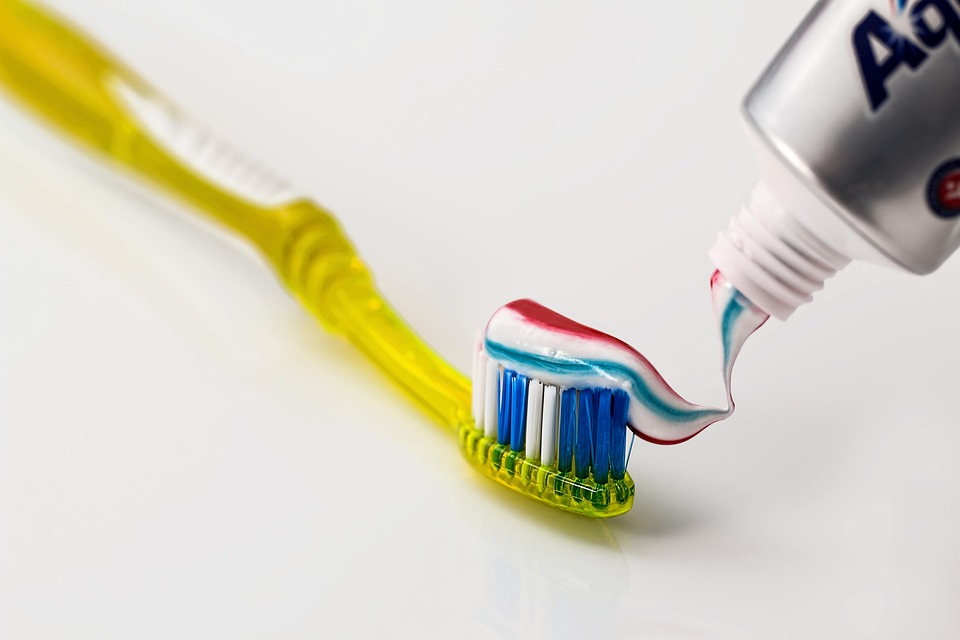
Brush your teeth at least twice a day using fluoride toothpaste. Make sure to:
- Use a soft-bristled toothbrush.
- Brush for at least two minutes, focusing on all surfaces of your teeth.
- Replace your toothbrush every three to four months.
2. Flossing
Flossing daily helps remove food particles and plaque from between your teeth where a toothbrush can’t reach. Follow these steps:
- Use about 18 inches of floss and wrap it around your fingers.
- Gently slide the floss between your teeth, curving it around each tooth and using a clean section for each pass.
3. Mouthwash
Incorporating mouthwash into your routine can provide additional protection. Choose a mouthwash that contains fluoride and helps kill bacteria.
The Role of Diet in Oral Health
What you eat significantly impacts your oral health. Here are some dietary tips to keep your teeth and gums healthy:
- Limit Sugary Foods: High sugar intake can lead to cavities, so try to minimize sweets.
- Eat Crunchy Fruits and Vegetables: Foods like apples, carrots, and celery can help clean your teeth naturally.
- Stay Hydrated: Drink plenty of water to help wash away food particles and bacteria.
- Include Dairy Products: Foods high in calcium, like yogurt and cheese, can strengthen your teeth.
Regular Dental Check-ups
Even with a robust oral care routine, visiting the dentist regularly is vital. Aim for at least two check-ups a year. Here’s why:
- Early detection of oral health issues.
- Professional dental cleanings remove plaque and tartar buildup.
- Personalized advice on maintaining oral health.
Common Oral Health Issues
Being aware of common oral health problems can help you prevent them:
- Cavities: Decay caused by plaque buildup.
- Gum Disease: Inflammation and infection of the gums.
- Bad Breath: Often a result of poor oral hygiene or underlying health issues.
- Oral Cancer: Regular check-ups are essential for early detection.
Conclusion
Maintaining good oral health is a comprehensive commitment that involves daily habits, dietary choices, and routine dental check-ups. By taking preventive measures and being proactive about your oral hygiene, you can enjoy a bright smile and protect your overall health. Remember, every small effort counts towards achieving and maintaining your oral health.
FAQs
1. How often should I brush my teeth?
You should brush your teeth at least twice a day for two minutes each time.
2. Is flossing really necessary?
Yes, flossing removes plaque and food particles from areas that a toothbrush can’t reach, helping prevent cavities and gum disease.
3. How often should I visit the dentist?
It’s recommended to visit the dentist at least twice a year for check-ups and professional cleanings.
4. Can diet affect oral health?
Yes, a diet high in sugar can lead to cavities, while consuming calcium-rich foods promotes stronger teeth.
5. What should I do if I have bad breath?
Improving your oral hygiene, staying hydrated, and brushing your tongue can help. If the problem persists, consult your dentist.
About the Author