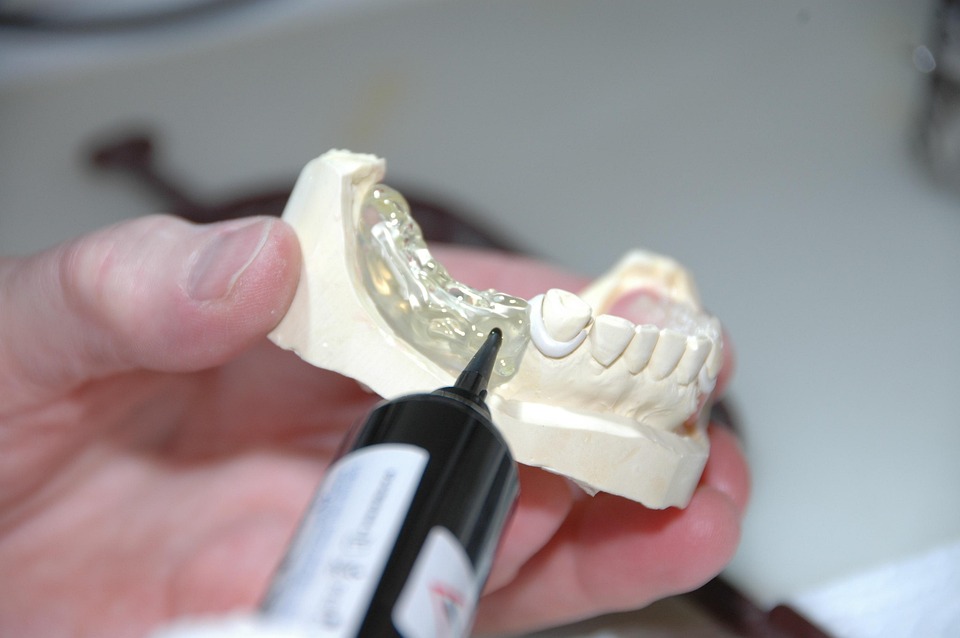
The quest for a perfect smile has been a driving force throughout the ages, influencing everything from personal relationships to self-esteem. The desire to replace missing or damaged teeth has led dental professionals to innovate, and today’s dental prosthesis technology reflects centuries of evolution, expertise, and artistry. This article delves into the journey of dental prosthetics, from ancient times to the cutting-edge solutions of today.
Historical Perspective
Ancient Civilizations
The history of dental prosthetics dates back to ancient civilizations. Archaeological findings suggest that the Etruscans in Italy, as early as 700 BC, crafted dental prosthetics from gold and ivory. These early dental bridges and dentures were basic yet demonstrated mankind’s effort to restore oral functionality and aesthetics.
In ancient Egypt, mummies were discovered with rudimentary false teeth made from various materials, including seashells and animal bones. Although lacking in comfort and feasibility, these early attempts set the groundwork for more advanced techniques.
The Middle Ages to the 18th Century
During the Middle Ages, dental care was primarily managed by barber-surgeons, who offered a range of services, including tooth extraction and the fitting of rudimentary prosthetics. The materials used were often rustic and included wood, ivory, and metal—far from ideal for comfort or longevity.
It wasn’t until the 18th century that real advancements began to take shape. Pierre Fauchard, often regarded as the father of modern dentistry, published “Le Chirurgien Dentiste.” This seminal work included methods for creating more comfortable and lifelike dentures using materials like porcelain.
The 19th Century: Industrial Innovations
The Industrial Revolution brought profound changes to dentistry. The introduction of rubber and new porcelain techniques allowed for the production of more durable and aesthetically pleasing dental prosthetics. The first commercially manufactured dentures were produced during this era, democratizing access to dental care.
The 20th Century: A Leap Forward
The 20th century marked a significant turning point in dental prosthesis technology. The advent of new materials and technologies saw major improvements in the quality of life for those with dental issues.
Introduction of Acrylic Resins
In the 1930s, acrylic resins replaced vulcanite as the primary material for dentures. Not only were they lighter and more comfortable, but they also allowed for more natural aesthetics. This revolutionary change led to the widespread adoption of dentures, making them more accessible than ever.
The Rise of Dental Implants
The introduction of dental implants in the 1960s changed the landscape. Pioneered by Dr. Per-Ingvar Brånemark, these titanium posts could be surgically implanted into the jawbone and serve as anchors for crowns and dentures. This technology offered a more permanent solution, providing functionality and aesthetics that surpassed traditional prosthetics.
Advancements in CAD/CAM Technology
The late 20th and early 21st centuries witnessed the rise of computer-aided design and computer-aided manufacturing (CAD/CAM). This technology allowed for precise measurements and custom-designed dental prosthetics. With 3D printing technology, dental professionals could create crowns, bridges, and implants with unparalleled accuracy, leading to better fitting and reduced production times.
The 21st Century: Innovations and Challenges
Today, dental prosthetics continue to receive innovative updates with the help of advanced materials and technologies.
Natural-Looking Materials
Modern prosthetics now use advanced ceramics that closely mimic the appearance of natural teeth. These materials offer durability and resistance to staining while providing an aesthetic finish that aligns with the patient’s original dental structure.
Digital Impressions
Gone are the days of messy dental molds. Digital scanners can capture high-resolution images of patients’ mouths, allowing for rapid and precise creation of custom prosthetics. This technology not only improves the patient’s comfort but also streamlines the workflow for dental professionals.
Minimally Invasive Techniques
As dental science evolves, so does the approach to treatment. Minimally invasive techniques have emerged, allowing for less trauma during procedures. For example, the All-on-4 dental implant technique enables the placement of a full arch of dentures on just four strategically placed implants, reducing recovery time and improving patient comfort.
Biocompatibility and Regenerative Medicine
Recent research into biocompatible materials has led to innovations that allow the body to integrate with prosthetic devices successfully. Furthermore, regenerative techniques are being explored to replace lost tissues and bones, further enhancing the possibilities for dental restorations.
FAQs
1. What are dental prosthetics?
Dental prosthetics are artificial devices used to replace missing teeth or restore dental function and aesthetics. They include dentures, crowns, bridges, and dental implants.
2. How long do dental prosthetics last?
The lifespan of dental prosthetics varies based on material, care, and individual health. Generally, dentures can last 5-10 years, while dental implants can last a lifetime with proper care.
3. Are dental implants painful?
The procedure for dental implants is performed under local anesthesia, so discomfort is minimal during the surgery. Post-operative pain can typically be managed with over-the-counter medications, and many patients report that the pain is less than anticipated.
4. How often should I visit the dentist after getting prosthetics?
Regular dental check-ups (every six months) are essential to monitor the condition of your prosthetics and overall oral health.
5. Can I eat normally with dentures or implants?
Yes, most patients can return to a normal diet with dentures or dental implants. However, it may take time to adjust to the feel and function of the prosthetics.
6. What is the cost of dental prosthetics?
The cost of dental prosthetics varies widely based on the type, materials used, and the complexity of the treatment. Insurance coverage may also affect the out-of-pocket expenses.
7. How do I care for my dental prosthetics?
Proper oral hygiene, regular dental visits, and following specific maintenance instructions provided by your dentist can help prolong the life of your dental prosthetics.
8. Are there alternatives to traditional dentures?
Yes, there are alternatives such as dental implants and implant-supported dentures, which offer better stability and function compared to traditional removable dentures.
Conclusion
The evolution of dental prosthesis technology reflects significant advancements aimed at enhancing oral health and improving the quality of life for countless individuals. With continuous innovations on the horizon, the future of dental prosthetics promises even more effective, comfortable, and aesthetically pleasing options. By bridging the gap between tradition and technology, the field of dentistry continues to rebuild smiles—one tooth at a time.
About the Author