Wisdom teeth, also known as third molars, typically emerge in late adolescence or early adulthood, around the ages of 17 to 25. While some people may sail through this experience without any issues, many others find themselves navigating a complex maze of pain, discomfort, and potential complications. Understanding when and why wisdom tooth extraction becomes necessary can be crucial in maintaining oral health. This article delves into the reasons for extraction, the signs that indicate it may be time to consider surgery, and what to expect throughout the process.
Understanding Wisdom Teeth
Wisdom teeth are the last set of molars that generally erupt in the back of the mouth. They are considered vestigial; our ancestors needed them to help chew tough, coarse foods, but with changes in diet and dental care, they have become largely unnecessary. In fact, many individuals do not have enough space in their mouths for these additional teeth, which can lead to various dental issues.
Signs You May Need Extraction
Several signs and symptoms may indicate that your wisdom teeth are causing problems. Here are a few key indicators:
-
Pain and Discomfort: If you experience consistent pain in the back of your mouth, it could signify that your wisdom teeth are erupting or impacted. This pain can radiate to other areas, such as the jaw, ears, or even headaches.
-
Swelling and Infection: The gums around your wisdom teeth may become swollen, inflamed, and tender. If you notice pus or foul-smelling breath, it may indicate an infection, requiring immediate attention.
-
Crowding: Wisdom teeth can create crowding in your mouth, pushing other teeth out of alignment. If you’ve undergone orthodontic treatment, the emergence of wisdom teeth could undo those improvements.
-
Cysts and Tumors: In some cases, impacted wisdom teeth can lead to the formation of cysts or tumors, which can damage surrounding teeth and bone. Regular dental check-ups can help identify these issues early.
-
Impaction: If your wisdom teeth do not emerge properly, they can become impacted. This condition occurs when the teeth grow at odd angles, often sideways, and can result in significant pain and complications like infection and damage to adjacent teeth.
When to Consider Extraction
Not everyone needs to have their wisdom teeth extracted. Dental professionals often use specific criteria to determine whether extraction is necessary. Here are some scenarios when you should consider a consultation about removal:
-
Predictive Assessment: Dentists make preventive recommendations based on X-rays, which can identify whether your wisdom teeth are likely to cause problems in the future.
-
History of Dental Issues: If you have a history of dental problems, such as cavities or gum disease, you may be more susceptible to complications stemming from wisdom teeth.
-
Age: Younger patients often recover more quickly from extraction surgery. If you are in your late teens or early twenties, your dental team may recommend extraction before the teeth become more entrenched in the jawbone.
The Extraction Process
The wisdom tooth extraction process can vary depending on how many teeth are being removed and their position. Here’s what you can typically expect:
-
Consultation: During your initial visit, your dentist or oral surgeon will examine your mouth and take X-rays to assess the positioning of your wisdom teeth.
-
Anesthesia: Before the procedure, you’ll receive local anesthesia, sedation, or general anesthesia to ensure that you remain comfortable and pain-free.
-
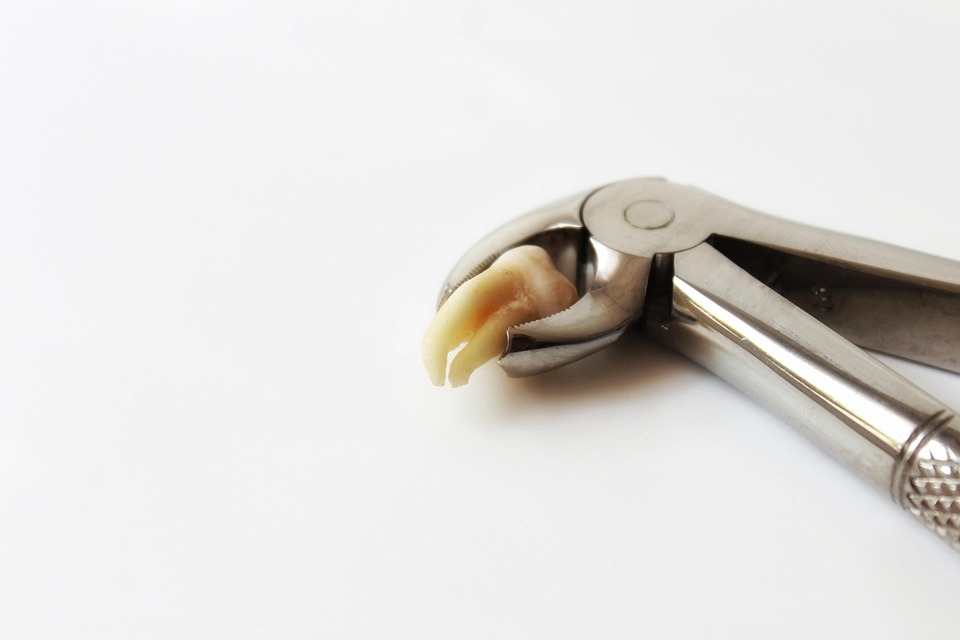
Removal: The surgeon will carefully remove the wisdom teeth. If they are impacted, some bone around the teeth may also need to be removed.
-
Recovery: Post-surgery, you may experience swelling, discomfort, and bleeding for a few days. Following post-operative care instructions is crucial for a smooth recovery.
-
Follow-Up Visit: A follow-up appointment may be scheduled to monitor healing and address any concerns.
Recovery Tips
Recovering from wisdom tooth extraction doesn’t have to be a complicated process. Here are some tips to ensure a smooth recovery:
-
Rest: Avoid strenuous activities for a few days after surgery.
-
Diet Management: Stick to soft foods like yogurt, applesauce, and mashed potatoes for the first few days post-surgery. Gradually reintroduce solid foods as you heal.
-
Hydration: Stay hydrated, but avoid using straws for the first few days as the suction can dislodge blood clots and delay healing.
-
Ice Packs: Applying ice packs to your cheeks can help reduce swelling and provide comfort.
-
Follow-Up Care: Attend any scheduled follow-up visits, and don’t hesitate to reach out to your dentist if you experience unusual symptoms.
Potential Complications
Though wisdom tooth extraction is often routine, there are some potential complications:
- Dry Socket: This painful condition occurs when the blood clot at the extraction site fails to develop properly or gets dislodged.
- Infection: While uncommon, infections can occur and may require additional treatment.
- Damage to Adjacent Teeth: Extraction can sometimes lead to damage to neighboring teeth or nerves.
FAQs
1. At what age should I have my wisdom teeth removed?
It varies from person to person, but many dentists recommend extraction in the late teens to early twenties for optimal healing.
2. Is the extraction process painful?
Anesthesia is used during the procedure to minimize pain. Post-surgery discomfort is common but can usually be managed with pain relievers.
3. How long does recovery take?
Recovery varies, but most individuals can return to daily activities within a few days to a week.
4. Will I need general anesthesia for the procedure?
Your dentist will discuss the best anesthetic options based on your individual case needs and comfort level.
5. Can I drive myself home after the procedure?
If you receive sedation or general anesthesia, it’s advised to arrange for someone else to drive you home.
6. How can I prevent complications after surgery?
Following post-operative care instructions, avoiding certain foods, and keeping up with oral hygiene can help prevent complications.
Conclusion
Navigating the wisdom tooth maze can feel daunting, but proactive monitoring and intervention can alleviate the stress associated with these often troublesome molars. Always consult with your dentist about your specific situation to decide on the best course of action regarding wisdom teeth. Maintaining good oral health is essential, and making informed decisions about your wisdom teeth can contribute significantly to your overall well-being.
About the Author