
A radiant smile often radiates confidence and warmth, making teeth whitening a popular cosmetic enhancement for many. As people seek ways to brighten their smiles, a myriad of techniques have emerged—each with its own benefits and considerations. This guide will delve into the various teeth whitening techniques available today, their effectiveness, safety, and tips to achieve the best results.
1. Understanding Teeth Discoloration
Before diving into whitening techniques, it’s crucial to understand why teeth become discolored. Common causes include:
- Extrinsic Stains: These are surface stains caused by consuming staining substances, such as coffee, tea, red wine, berries, and tobacco.
- Intrinsic Stains: These originate from within the tooth, often due to age, trauma, or exposure to certain medications like tetracycline.
- Genetic Factors: Some people may naturally have darker teeth due to genetics.
Understanding these reasons can help in choosing the appropriate whitening technique.
2. Professional Teeth Whitening
2.1 In-Office Whitening
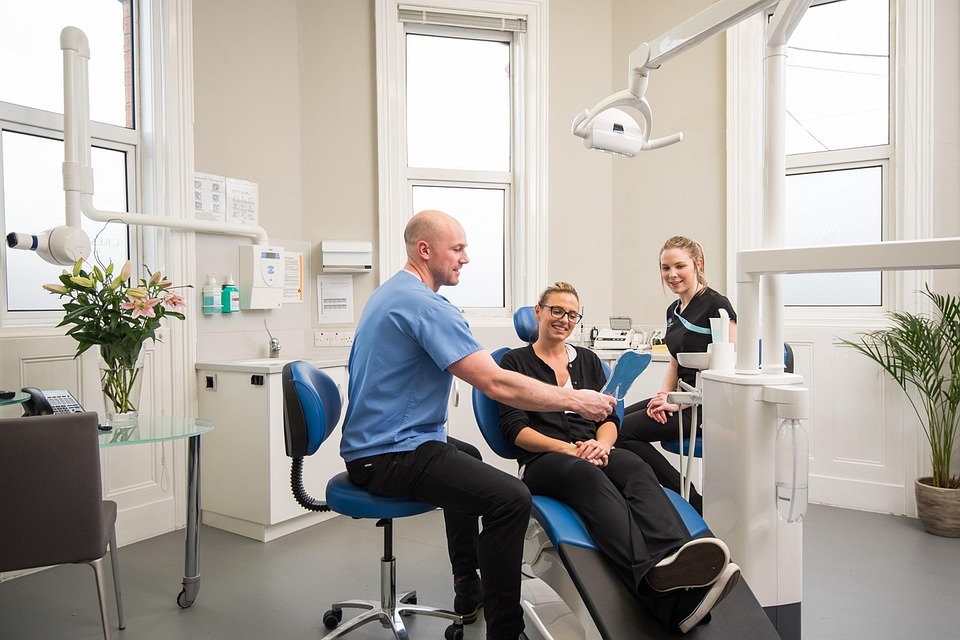
In-office whitening treatments, administered by dental professionals, offer immediate results. The procedure usually involves:
- Consultation: A dentist examines your teeth to determine suitability for whitening.
- Preparation: Professional cleaning is done to remove plaque and debris.
- Application of Whitening Agent: A high-concentration hydrogen peroxide gel is applied to the teeth.
- Light Activation: Some procedures use a special light to enhance the whitening effect.
- Duration: Sessions typically last from 30 to 90 minutes.
Pros:
- Immediate results
- Supervised by a professional
- Customizable for individual needs
Cons:
- Higher cost compared to other methods
- Potential sensitivity during or after treatment
2.2 Take-Home Kits from Dentists
Dentists often provide custom take-home whitening kits, which include:
- Custom-tray: A dental impression creates a unique mouth tray.
- Whitening Gel: A lower concentration of peroxide is provided for safe home use.
Pros:
- Customized for a perfect fit
- Gradual results reduce sensitivity
- Professional supervision in the initial stages
Cons:
- Takes longer to see results compared to in-office treatment
3. Over-the-Counter Whitening Products
If professional treatment isn’t an option, many over-the-counter products are available:
3.1 Whitening Strips
These thin, flexible plastic strips are coated with a whitening gel and are typically worn for 30 minutes daily.
Pros:
- Convenient and easy to use
- Generally affordable
Cons:
- Results may vary
- Possible gum irritation
3.2 Whitening Toothpaste
These contain mild abrasives and chemical agents that help remove surface stains but may not change the intrinsic color.
Pros:
- Simple addition to daily routine
- Low cost
Cons:
- Minimal effects on deep stains
3.3 Whitening Pens
These portable pens allow users to apply whitening gel directly to specific teeth and are ideal for on-the-go touch-ups.
Pros:
- Convenient
- Easy to use
Cons:
- Not suitable for full smile whitening
4. Natural Teeth Whitening Techniques
For those looking for holistic methods, several natural techniques may help:
4.1 Baking Soda and Hydrogen Peroxide
Combining these two ingredients can create a paste that helps lift stains from the teeth. However, this should be used sparingly to avoid enamel erosion.
Pros:
- Low cost
- Easy to find ingredients
Cons:
- Risk of enamel damage with overuse
4.2 Coconut Oil Pulling
This ancient technique involves swishing coconut oil in the mouth for about 15-20 minutes to reduce bacteria and potential staining.
Pros:
- Natural remedy
- Additional oral health benefits
Cons:
- Results may be slow and subtle
4.3 Apple Cider Vinegar
Diluted apple cider vinegar can act as a natural whitening agent due to its acidic properties. However, caution is advised as it can erode tooth enamel.
Pros:
- Accessible and inexpensive
Cons:
- Risk to enamel if used excessively
5. Preventing Future Stains
Achieving a brighter smile doesn’t stop at whitening. Here are some tips to maintain those pearly whites:
- Regular Dental Checkups: Professional cleanings can help remove surface stains.
- Limit Staining Foods/Drinks: Reduce intake of coffee, tea, red wine, and colored sodas.
- Use a Straw: This can minimize contact between beverages and teeth.
- Practice Good Oral Hygiene: Brushing twice and flossing daily help prevent discolored teeth.
6. The Importance of Consultation
Before embarking on any whitening journey, consulting with a dental professional is essential. They can assess individual needs, recommend the best techniques, and identify any underlying issues contributing to discoloration.
FAQs
1. How long do the results of teeth whitening last?
Results can vary based on the method used. In-office treatments may last from six months to two years, while at-home methods may yield shorter-lived results, especially if staining substances are consumed frequently.
2. Are there any side effects to teeth whitening?
Common side effects include tooth sensitivity and gum irritation. These are usually temporary but consult your dentist if they persist.
3. Can anyone undergo teeth whitening?
While most people can safely undergo whitening, those with certain dental conditions, such as untreated cavities or gum disease, should consult a dentist first.
4. How white can teeth get?
The degree of whitening varies based on the initial shade of teeth and the method used. It’s crucial to have realistic expectations.
5. How often can I whiten my teeth?
Consult your dentist for personalized advice. Generally, in-office treatments can be done every six months, while at-home methods may vary in frequency depending on the product.
6. Is professional whitening better than DIY methods?
Professional whitening often offers faster and more noticeable results, with dentist supervision ensuring safety and effectiveness. However, DIY methods may work well for those looking for a less expensive option.
Conclusion
Teeth whitening can significantly enhance self-esteem and appearance. With various options available, it’s essential to choose a method that aligns with your lifestyle and dental health. Remember, a brighter smile is not just about aesthetics—it’s an investment in your overall well-being and confidence. Always consult a dental professional before starting any whitening treatment to ensure it is safe and appropriate for your needs.
About the Author