
Arthritis
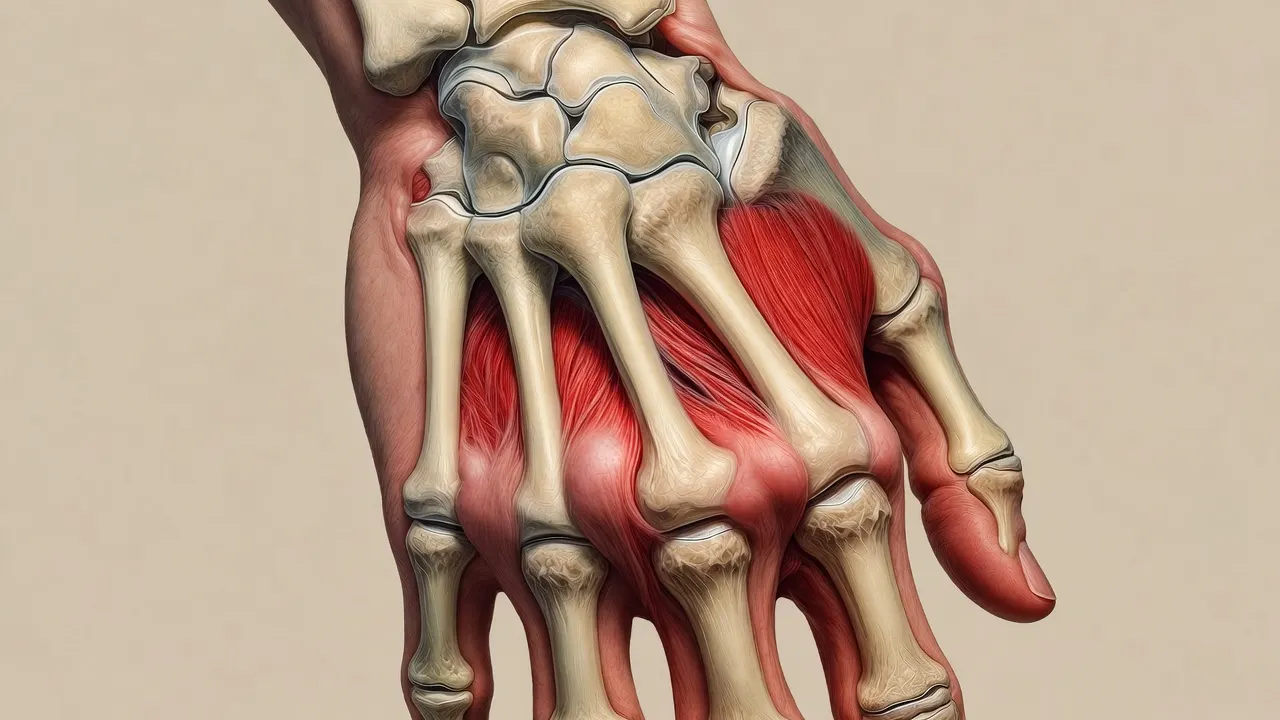
Arthritis is a general term used to describe inflammation in one or more joints. In everyday language, it is often referred to as “rheumatism.” Rheumatism itself is not a single disease but a broad term that includes many conditions affecting the joints, muscles, connective tissues, and sometimes internal organs. If left untreated, these conditions can seriously reduce quality of life.
What Is Arthritis?
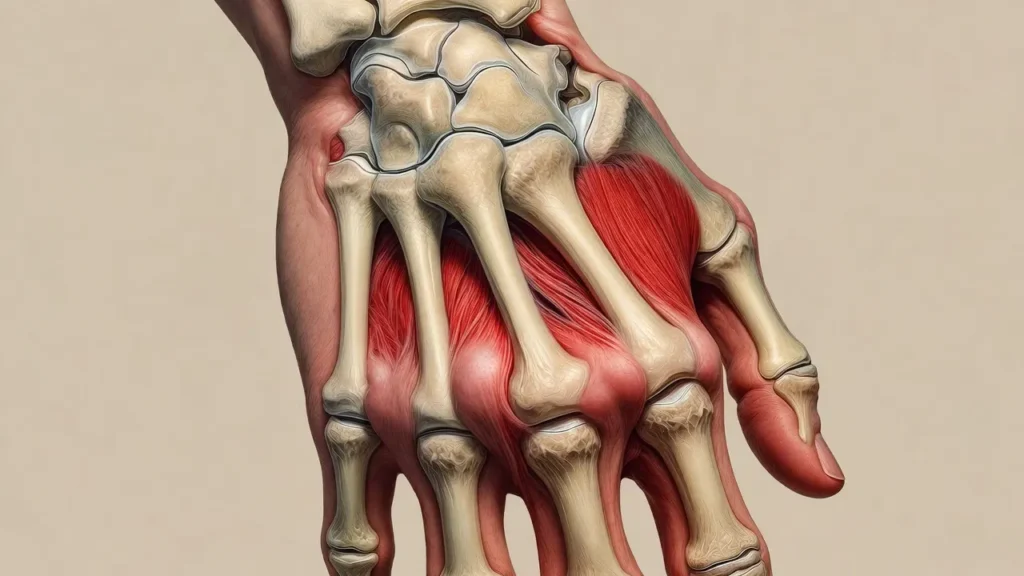
Arthritis is a condition characterized by joint pain, swelling, stiffness, and limited movement. It most commonly affects the knees, hands, hips, and spine. Arthritis can occur at any age, not only in older adults.
What Is Rheumatism?
Rheumatism is a collective term for diseases that cause pain and inflammation in the joints and muscles. It includes both inflammatory and non-inflammatory conditions. Some forms of rheumatism can also affect vital organs such as the heart and lungs.
Are Arthritis and Rheumatism the Same?
These two terms are often confused. While all arthritis conditions fall under rheumatic diseases, not all rheumatism is arthritis. Rheumatism is a broader category, with arthritis being one of its subtypes.
Most Common Types of Arthritis
The most common forms of arthritis include osteoarthritis, rheumatoid arthritis, and gout. Each type has different causes, symptoms, and treatment approaches, making accurate diagnosis essential.
What Is Osteoarthritis?
Osteoarthritis occurs when joint cartilage gradually wears down over time. It is most common with aging and typically affects the knees and hips. Pain often increases with movement and improves with rest.
What Is Rheumatoid Arthritis?
Rheumatoid arthritis is an autoimmune disease in which the immune system mistakenly attacks the joints. It often causes morning stiffness and symmetrical joint pain. Without treatment, it can lead to joint deformities.
Common Symptoms of Arthritis
Typical symptoms include joint pain, swelling, redness, stiffness, and reduced mobility. Morning stiffness is especially common. As the condition progresses, daily activities may become difficult.
How Rheumatism Affects the Body
Rheumatism does not only affect joints—it can also impact muscles and internal organs. Some inflammatory rheumatic diseases may damage the heart, lungs, or nervous system if not properly managed.
Is Arthritis Dangerous?
If left untreated, arthritis can become progressive and disabling. Chronic pain, joint damage, and loss of mobility may occur, significantly affecting independence and daily life.
Psychological Effects of Rheumatism
Living with chronic pain can lead to depression, anxiety, and sleep problems. Over time, persistent discomfort may also reduce social interaction and emotional well-being.
Who Is at Risk?
Risk factors include older age, genetics, excess body weight, lack of physical activity, and smoking. Certain rheumatic diseases are more common in women.
The Relationship Between Arthritis and Diet
A healthy diet can help reduce arthritis symptoms. Foods rich in omega-3 fatty acids, fruits, and vegetables may lower inflammation, while excessive sugar and processed foods can worsen symptoms.
Does Cold Weather Trigger Rheumatism?
Cold and damp weather can increase joint pain and stiffness. While it does not cause rheumatism, it may intensify existing symptoms.
What Happens If Arthritis Is Not Treated?
Without treatment, arthritis may lead to permanent joint damage. In advanced stages, surgical intervention may be required. Early diagnosis plays a key role in preventing long-term complications.
Can Rheumatism Affect Internal Organs?
Some inflammatory rheumatic diseases can affect vital organs such as the heart, kidneys, and lungs. Regular medical follow-ups are crucial for early detection of complications.
Arthritis and Limited Mobility
As arthritis progresses, joint movement may become increasingly restricted. Simple actions such as walking, climbing stairs, or using hands can become challenging.
Is Exercise Helpful for Arthritis?
Appropriate exercise improves joint flexibility and strengthens surrounding muscles. A sedentary lifestyle, on the other hand, can worsen symptoms. Exercise should be guided by a healthcare professional.
Is Rheumatism a Lifelong Condition?
Some rheumatic diseases are chronic, but many can be effectively managed with proper treatment. Early intervention can significantly improve long-term outcomes.
Can Arthritis Be Prevented?
While not all types can be prevented, maintaining a healthy weight, staying active, and following a balanced diet can reduce the risk. Protecting joint health has long-term benefits.
When Should You See a Doctor?
If joint pain, swelling, or morning stiffness persists for an extended period, it is important to consult a healthcare professional. Early diagnosis is key to maintaining quality of life.
Conclusion
Arthritis and rheumatism are serious health conditions that should not be ignored. With proper knowledge, early diagnosis, and consistent treatment, it is possible to manage symptoms and maintain a healthy, active life.
About the Author