
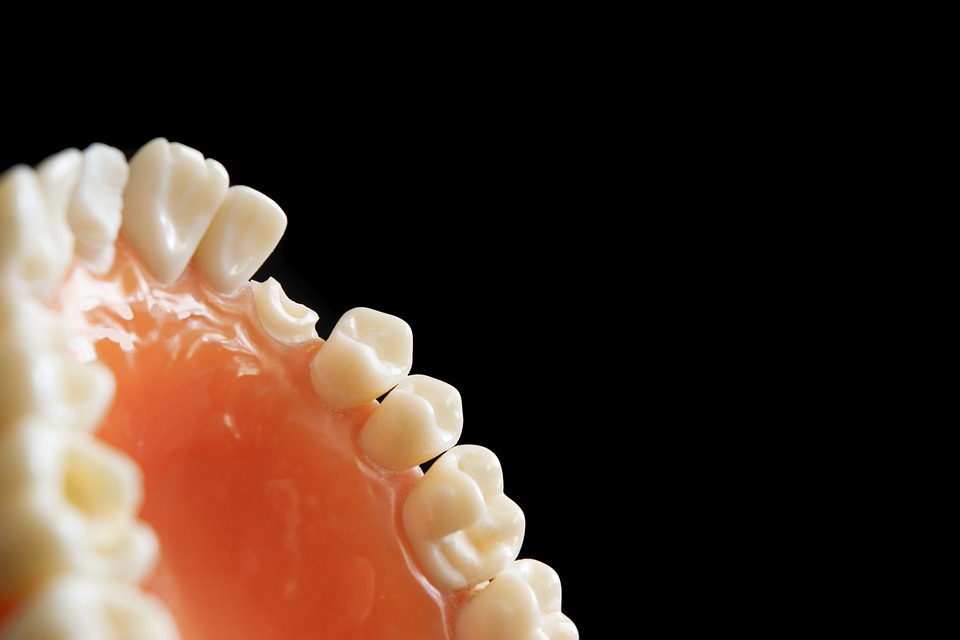
Tooth Decay Explained: Understanding the Causes and Prevention
Tooth decay, also known as dental caries or cavities, is a prevalent oral health issue that affects individuals of all ages. It occurs when the hard surface of the teeth is damaged, leading to the formation of holes or cavities. While it may seem like a minor problem, tooth decay can result in severe dental health issues, including pain, infection, and even tooth loss if left untreated. This article aims to provide a comprehensive understanding of tooth decay, its causes, consequences, and most importantly, how to prevent it.
Understanding Tooth Decay
Tooth decay is mainly a result of the interaction between bacteria in the mouth and sugars present in food and beverages. While our mouths naturally harbor bacteria, we often consume foods high in sugars and carbohydrates, providing these bacteria with the fuel they need to multiply. Ideally, good oral hygiene and regular dental check-ups can help control the number of harmful bacteria and mitigate the risk of decay.
Here’s how tooth decay develops:
-
Plaque Formation: When food particles (especially those with sugar) are not cleaned from the teeth, they can combine with saliva and bacteria to form a sticky film known as plaque. If plaque is not removed regularly, it hardens and turns into tartar, making it even more difficult to remove.
-
Acid Production: The bacteria present in plaque feed on sugars and produce acids as a byproduct. These acids attack the minerals in the tooth enamel, the hard outer layer of the tooth, leading to demineralization.
-
Cavity Formation: Over time, the repeated acid attacks weaken the enamel and cause it to break down, resulting in a cavity. Once a cavity forms, it becomes necessary to seek treatment from a dental professional.
-
Deepening Decay: If left uncontrolled, decay can progress deeper into the tooth, invading the dentin and pulp, potentially leading to pain, infection, and tooth loss.
Causes of Tooth Decay
Understanding the causes of tooth decay is essential for effective prevention. Key factors include:
-
Diet: Consuming high-sugar and high-carbohydrate foods and beverages increases the likelihood of tooth decay. Sweets, sodas, and even starchy foods can contribute to the formation of cavities.
-
Poor Oral Hygiene: Inadequate brushing and flossing can lead to plaque buildup and eventual tooth decay. It’s critical to maintain a consistent oral hygiene routine.
-
Acidic Foods and Drinks: Foods and beverages, particularly citrus fruits and sodas, can create an acidic environment that weakens tooth enamel.
-
Dry Mouth: Saliva plays a crucial role in neutralizing acids and washing away food particles. A lack of saliva can accelerate tooth decay. Conditions like xerostomia (dry mouth) can stem from medications, health issues, or dehydration.
-
Age: Children, especially those with baby teeth, are more susceptible to decay due to softer enamel. Older adults may also experience an increased risk due to receding gums and enamel wear.
-
Dietary Choices and Lifestyle: Individuals who frequently snack or drink sugary beverages throughout the day are at a higher risk for cavity formation. Additionally, habits such as smoking can further compromise oral health.
Consequences of Tooth Decay
Tooth decay can lead to a range of complications, some of which can be severe:
-
Pain and Discomfort: Cavities can cause significant toothache, making it difficult to eat or speak comfortably.
-
Infection: If decay progressesto the tooth pulp, it can lead to an infection, commonly necessitating root canal treatment.
-
Tooth Loss: If dental decay is not treated timely, it can result in tooth extraction.
-
Increased Healthcare Costs: Treating advanced decay can be expensive, especially if it requires extensive dental work.
-
Impact on Overall Health: Poor oral health has been linked to systemic conditions like heart disease, diabetes, and respiratory problems. Therefore, maintaining good oral health is crucial not only for your teeth but for overall well-being.
Prevention of Tooth Decay
Preventing tooth decay is a combined effort of good oral hygiene, healthy dietary choices, and regular dental visits. Key preventive measures include:
-
Brushing and Flossing: Brush your teeth at least twice a day using fluoride toothpaste. Floss daily to remove food particles and plaque from between teeth where a toothbrush cannot reach.
-
Regular Dental Visits: Schedule regular check-ups with your dentist for professional cleanings and examinations. This allows for early detection and treatment of cavities.
-
Healthy Diet: Limit your intake of sugary and acidic foods. Opt for a balanced diet rich in fruits, vegetables, whole grains, and dairy products. Foods high in fiber can help keep your teeth and gums clean.
-
Fluoride Treatment: Use fluoride mouth rinses or ask your dentist about fluoride varnishes. Fluoride strengthens the enamel and makes teeth more resistant to decay.
-
Sealants: Dental sealants are protective coatings applied to the chewing surfaces of the back teeth. They can significantly reduce the risk of decay by sealing grooves and pits.
-
Stay Hydrated: Drinking plenty of water, especially fluoridated water, can help wash away food particles and bacteria, promoting a healthier oral environment.
-
Limit Snacking: If you must snack, opt for healthy choices and keep snacking to a minimum. Rinse your mouth with water after eating.
-
Educate Yourself and Others: Understanding the risks and prevention methods related to tooth decay can empower you and those around you to maintain better oral health.
FAQs about Tooth Decay
1. What are the signs of tooth decay?
- Early signs include tooth sensitivity, pain when biting, visible holes or pits in teeth, or discoloration.
2. Can tooth decay be reversed?
- Early-stage decay can often be reversed through good oral hygiene and the use of fluoride. However, once a cavity has formed, treatment is necessary.
3. How often should I visit the dentist?
- It is generally recommended to visit the dentist every six months for check-ups and cleanings, though some people may need to go more frequently if they are at higher risk for decay.
4. Are certain people more at risk for tooth decay?
- Yes, children, older adults, and individuals with dry mouth conditions or poor oral hygiene habits are at a higher risk.
5. Can tooth decay lead to other health issues?
- Yes, poor oral health can contribute to conditions like heart disease, diabetes, and respiratory infections.
6. What treatments are available for tooth decay?
- Treatments may include fillings, crowns, root canals, or extractions, depending on the severity of the decay.
7. How can I strengthen my teeth against decay?
- Maintaining a good oral hygiene routine, eating a balanced diet, and using fluoride products can help strengthen your teeth.
In conclusion, tooth decay is a common yet serious health issue. Understanding its causes, consequences, and prevention methods can significantly improve your oral health. Maintaining good oral hygiene and committing to regular dental care are key to avoiding the pitfalls of tooth decay. Remember, prevention is always better than cure when it comes to maintaining a healthy smile!
About the Author