
Good oral hygiene is an essential component of overall health, and yet, it’s often overlooked. While brushing your teeth regularly is a common practice, many people fail to give flossing the attention it deserves. This article aims to shed light on the importance of flossing, the best techniques, and how to make it an integral part of your oral care routine.
The Importance of Flossing
Flossing is more than just a dental recommendation; it’s a critical step in preventing many oral health issues. According to the American Dental Association (ADA), flossing helps remove food particles and plaque from between the teeth and below the gum line—areas that toothbrushes often fail to reach.
Benefits of Flossing
-
Prevents Cavities: Plaque buildup can lead to tooth decay; flossing helps eliminate this before it becomes a problem.
-
Reduces Gum Disease: Gum diseases such as gingivitis and periodontitis can result in tooth loss if left untreated. Flossing removes plaque from the gum line, diminishing the risk of these diseases.
-
Freshens Breath: Removing food particles trapped between teeth leads to fresher breath, making flossing a simple way to boost your confidence.
-
Improves Overall Health: Poor oral hygiene has been linked to various health issues, including heart disease and diabetes. By flossing, you’re investing in your overall well-being.
The Science Behind Flossing
Flossing isn’t just a recommendation; studies have shown that it significantly impacts oral health. For instance, research published in the Journal of Periodontology revealed that regular flossing can reduce the incidence of periodontal disease by 40%.
The Role of Plaque and Tartar
Plaque is a sticky film of bacteria that forms on your teeth. If it’s not removed through proper dental hygiene, it can harden into tartar, which can only be removed via professional cleaning. Flossing helps prevent the buildup of this harmful substance by regularly cleaning the spaces that a toothbrush cannot reach.
Techniques for Effective Flossing
Many people struggle with flossing techniques, leading to ineffective cleaning or even injury. Here are essential tips to help you floss like a boss:
Choosing the Right Floss
There are several types of dental floss available:
- Waxed Floss: Coated with wax for easier sliding between tight spaces. Good for most users.
- Unwaxed Floss: Thinner and can fit into tighter gaps but might be less comfortable.
- Floss Picks: Convenient for those who find traditional floss challenging but may not be as effective.
Step-by-Step Flossing Technique
-
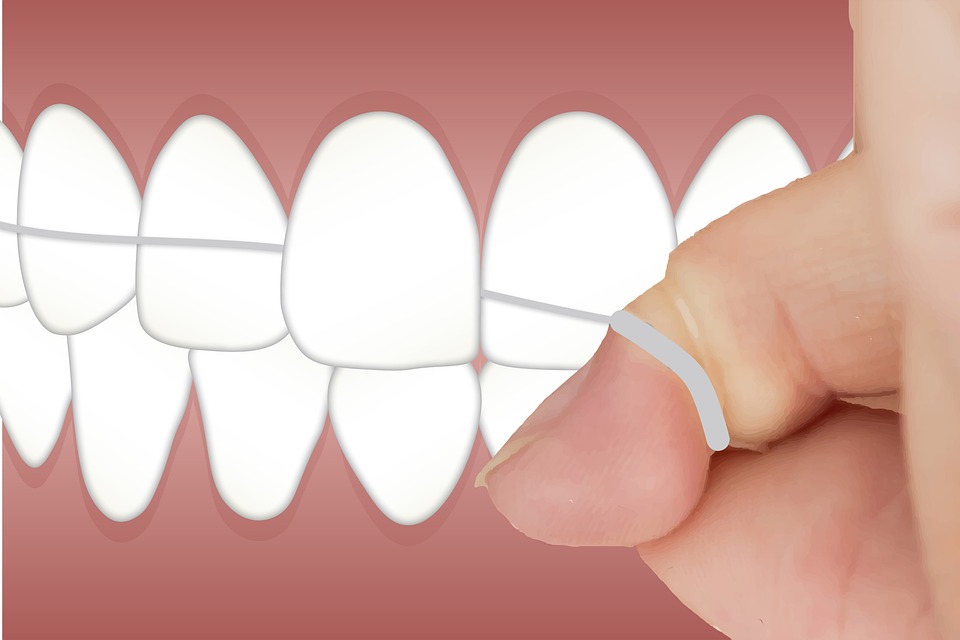
Prepare Your Floss: Cut about 18 inches of dental floss and wind it around your middle fingers, leaving about 2 inches of taut floss to work with.
-
Insert the Floss: Gently insert the floss between your teeth using a back-and-forth motion. Take care not to snap the floss, as this can damage your gums.
-
Curve the Floss: Once the floss reaches the gum line, curve it into a C-shape around each tooth. This ensures you’re cleaning the sides of each tooth effectively.
-
Remove and Repeat: Pull the floss up and down, scraping off any plaque or debris. Repeat this process for each inter-dental space.
-
Don’t Forget the Back Teeth: Make sure you also clean the behind the last molars. These areas are often neglected but are equally important for maintaining oral hygiene.
Frequency and Timing
The ADA recommends flossing at least once a day to keep your gums healthy. Many people find that flossing before brushing makes for a more effective cleaning routine, allowing for fluoride toothpaste to reach inter-dental spaces as well.
Common Flossing Mistakes
Even with good intentions, mistakes can happen. Here are some common errors to avoid:
-
Flossing Too Hard: Aggressive flossing can injure the gums. Be gentle.
-
Skipping Teeth: Ensure you’re not skipping any spaces between your teeth.
-
Not Flossing Regularly: Consistency is key. Flossing only occasionally won’t yield significant benefits.
The Flossing Alternative: Water Flossers
For those who struggle with traditional floss, water flossers present a practical alternative. These devices use a stream of pulsating water to remove food particles and plaque. While they are effective, they’re best used in conjunction with regular flossing for optimal results.
Incorporating Flossing into Your Routine
Making flossing a habit requires some initial effort. Here are strategies to help you incorporate it into your daily routine:
-
Keep Floss Handy: Store dental floss in visible, accessible places, such as your bathroom counter, purse, or car.
-
Set Reminders: Use a smartphone app or timer to remind you to floss daily.
-
Pair it with Existing Habits: Tie flossing to another daily activity, such as brushing your teeth, to make it easier to remember.
Conclusion
Flossing is an essential component of comprehensive oral hygiene. By integrating this simple practice into your daily routine, you’re taking significant steps towards healthier teeth and gums. As you embark on your flossing journey, remember the importance of technique and consistency. So gear up, and remember—floss like a boss!
FAQs
1. How often should I floss?
It’s recommended to floss at least once a day for optimal oral health.
2. Can I skip flossing if I brush my teeth well?
Brushing alone won’t clean the spaces between your teeth. Flossing is crucial for removing plaque and debris that brushing misses.
3. What type of dental floss is best?
The best type of floss is the one you’ll use consistently. Waxed floss is beneficial for those with tight spaces, while unwaxed can be easier for wider gaps.
4. Is flossing painful?
Some discomfort is normal if you’re new to flossing or haven’t flossed in a while. If pain persists, it may be a sign of gum disease, and you should consult your dentist.
5. Are water flossers as effective as traditional floss?
Water flossers can be effective, especially for those who have difficulty using traditional floss. However, they are best used in conjunction with traditional flossing for complete oral care.
6. How should I store my dental floss?
Keep your dental floss in a cool, dry place. If it’s a container, ensure the lid is tightly closed to maintain cleanliness.
Incorporate these strategies and insights into your daily routine, and you will be well on your way to achieving amazing oral health. Floss like a boss!
About the Author