
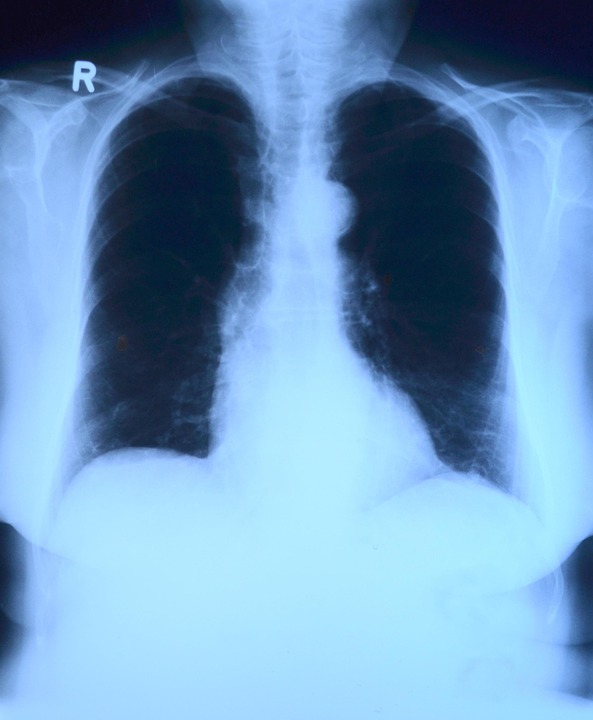
X-rays are often thought of as a staple of diagnostic imaging in modern medicine. Their unique ability to penetrate through various materials, including human tissue, has revolutionized medical diagnostics and treatment. Since their discovery by Wilhelm Conrad Röntgen in 1895, X-ray technology has undergone significant advancements, shaping the field of medical imaging. This article explores the history, types, benefits, limitations, and future of X-ray technology, demonstrating its indispensable role in modern medicine.
A Brief History of X-Rays
Wilhelm Conrad Röntgen was the first to discover X-rays while experimenting with cathode rays. His findings were groundbreaking, introducing the world to a new way of viewing the internal structures of the body without invasive procedures. Röntgen’s first X-ray image—a photograph of his wife’s hand—was a pivotal moment in medical history. The technology gained rapid acceptance, and by the early 20th century, X-rays were being employed for both diagnostic and therapeutic purposes.
Types of X-Rays
X-ray technology has evolved, leading to several types of X-ray imaging used in modern medicine:
1. Conventional X-rays
These are the most common type, producing 2D images of the internal structures of the body. They are widely used for diagnosing bone fractures, infections, and certain cancers.
2. Fluoroscopy
Fluoroscopy provides real-time imaging, allowing clinicians to observe the motion of internal structures. It’s commonly used in procedures like barium swallows, where patients ingest a contrast material to visualize the gastrointestinal tract.
3. Computed Tomography (CT)
CT scans combine multiple X-ray images taken from different angles and process them using computer algorithms to create detailed cross-sectional images of the body. This method enhances diagnostic accuracy and is invaluable in identifying conditions like tumors and internal bleeding.
4. Mammography
This specialized X-ray imaging focuses on breast tissue, crucial for early detection of breast cancer. Using low-dose radiation, it helps identify abnormalities before they manifest as lumps.
5. Dental X-rays
Dentists utilize X-rays to examine teeth and jaw structures, aiding in the diagnosis of cavities, gum disease, and other dental conditions.
Benefits of X-Rays in Modern Medicine
X-rays provide numerous benefits that revolutionize the way healthcare professionals diagnose and treat various conditions:
1. Non-invasive
One of the most significant advantages of X-rays is their non-invasive nature. Unlike surgical procedures, X-rays allow practitioners to view internal structures without making a single incision.
2. Rapid diagnosis
X-ray imaging is quick, often taking only a few minutes. This speed is particularly beneficial in emergency situations where immediate diagnosis is crucial.
3. Wide applicability
From detecting fractures to diagnosing cancers, X-rays cover a vast range of medical conditions. They support various specialties, including orthopedics, oncology, and dentistry.
4. Cost-effective
Compared to other imaging technologies, X-rays are usually more affordable. Their availability and ease of use make them a staple in many healthcare settings, including hospitals and outpatient clinics.
5. Guiding treatment
X-rays are not just for diagnosis; they also play a vital role in guiding certain treatments, such as radiation therapy for cancer patients, where precise targeting is essential.
Limitations of X-Rays
While X-rays offer numerous benefits, they are not without limitations:
1. Radiation exposure
X-rays expose patients to a small amount of ionizing radiation, which can pose risks, particularly with repeated exposure. This concern underscores the importance of weighing the benefits against the potential harm.
2. Limited visualization
X-rays are best suited for imaging dense structures like bones. They have limitations in visualizing soft tissues, leading to the need for additional imaging techniques, such as MRI or ultrasound.
3. Potential for misinterpretation
While X-rays provide valuable insights, they can also lead to misinterpretations. Overlapping structures may obscure important details, or subtle abnormalities might go unnoticed.
The Future of X-Ray Technology
The future of X-ray technology looks promising due to continuous advancements. Notable trends influencing the evolution of X-rays include:
1. Digital Imaging
Digital X-ray technology improves image quality and reduces the amount of radiation needed, decreasing patient exposure. Moreover, digital images can be easily stored, accessed, and shared, facilitating better collaboration among healthcare providers.
2. Artificial Intelligence (AI)
AI technology is increasingly integrated into X-ray analysis, helping radiologists interpret images more accurately and quickly. Machine learning algorithms can identify patterns in large datasets, enhancing diagnostic capabilities and minimizing human error.
3. Portable X-Ray Devices
Advancements in portable X-ray technology are improving access to imaging in remote and underserved areas. These devices enable healthcare professionals to conduct X-ray examinations in diverse environments, including patients’ homes and emergency sites.
4. Contrast Agents
Innovations in contrast agents enhance the visibility of structures in X-ray imaging. Improved agents can provide clearer images, aiding in diagnosis accuracy.
FAQs
1. What are X-rays used for?
X-rays are primarily used for diagnosing conditions related to bones, such as fractures, infections, and tumors. They are also used in dental imaging and certain specialized examinations like mammograms or fluoroscopy.
2. Are X-rays safe?
X-rays expose patients to a small amount of ionizing radiation. While the risk associated with a single X-ray is minimal, repeated exposure should be justified based on the potential medical benefits. Safety protocols are in place to limit unnecessary exposure.
3. How do I prepare for an X-ray examination?
Preparation varies depending on the type of X-ray. Generally, patients may need to remove jewelry or clothing that may interfere with the imaging process. For some exams, such as a barium swallow, specific dietary instructions may be provided.
4. How long does an X-ray procedure take?
Most X-ray procedures are quick and usually take just a few minutes. However, the total time may vary based on the type of X-ray and any additional procedures required.
5. Can X-rays detect all medical conditions?
No, X-rays have limitations. While they are effective for examining dense tissues like bones, they are less effective in visualizing soft tissues. Other imaging modalities, such as MRIs or CT scans, may be necessary for comprehensive evaluations.
6. Do I need a referral for an X-ray?
In most cases, yes. A healthcare provider typically needs to evaluate your symptoms and recommend an X-ray if deemed necessary. Some facilities may allow direct access, but these situations vary by region and healthcare plan.
Conclusion
X-rays have become an integral part of modern medicine, providing essential insights into human anatomy while minimizing invasiveness. As technology continues to progress, the scope and effectiveness of X-rays will only expand, reinforcing their role in improving patient outcomes and advancing healthcare. By breaking down barriers in diagnostic imaging, X-rays remain a cornerstone of contemporary medical practice, ensuring that patients receive timely, effective, and accurate care.
About the Author