When it comes to maintaining oral health, most of us are familiar with the basic practice of brushing our teeth. However, achieving optimal oral hygiene goes far beyond simply brushing. In this article, we will explore essential tips for comprehensive oral care, highlighting additional practices that can enhance your dental hygiene routine.
Understanding Oral Hygiene
Oral hygiene refers to the practice of keeping the mouth clean and disease-free. Good oral hygiene helps prevent tooth decay, gum disease, and bad breath, and it plays a vital role in overall health. Research indicates a strong link between oral health and systemic conditions like cardiovascular diseases, diabetes, and respiratory issues. Therefore, adopting a multi-faceted approach to oral hygiene is crucial.
The Foundations: Brushing and Flossing
1. Brushing Right
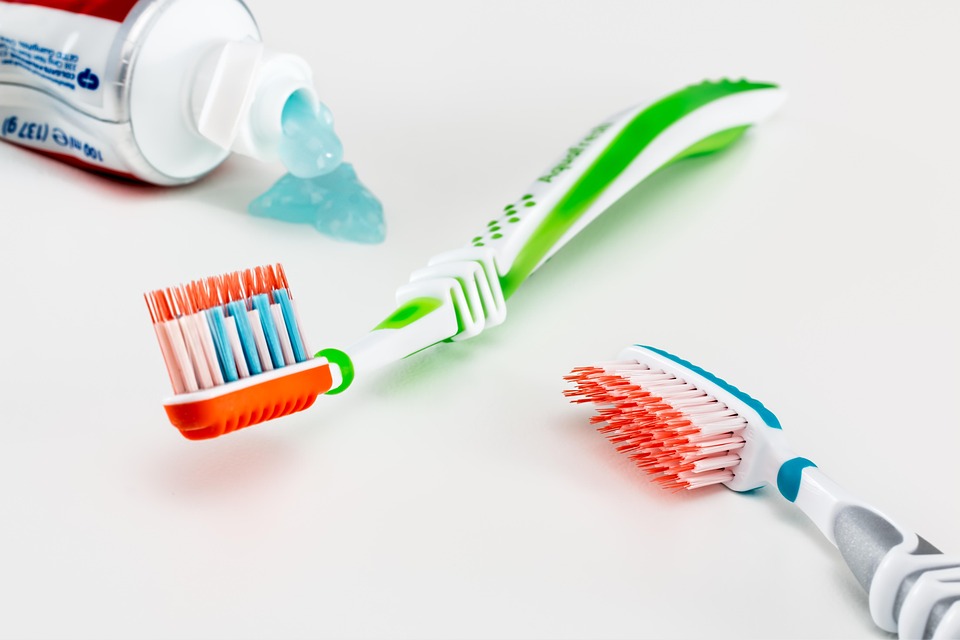
Brushing your teeth is foundational, but it’s essential to do it correctly. Here are some tips:
- Frequency: Brush at least twice daily—once in the morning and once before bed.
- Duration: Spend at least two minutes brushing your teeth to ensure all areas are cleaned.
- Technique: Use a soft-bristled toothbrush and employ gentle, circular motions. Avoid aggressive scrubbing, which can damage the enamel and irritate gums.
- Toothpaste: Choose a fluoride toothpaste; fluoride helps strengthen enamel and prevent cavities.
2. Flossing—The Unsung Hero
While brushing cleans the surface of the teeth, flossing is essential for cleaning between them. Plaque and food particles can accumulate in these hard-to-reach areas, leading to decay and gum disease.
- Daily Flossing: Make it a habit to floss once daily, ideally before bedtime.
- Proper Technique: Use about 18 inches of floss, wrapping it around your fingers. Gently guide it between teeth in a C-shape, going beneath the gum line but avoiding snapping the floss.
Beyond Basics: Additional Practices for Optimal Oral Hygiene
3. Mouthwash: A Supplement, Not a Substitute
Mouthwash can be a great addition to your routine, but it should not replace brushing or flossing. Look for an antibacterial mouthwash that contains fluoride for added protection.
- Benefits: Mouthwash can help kill bacteria, freshen breath, and aid in the prevention of gum disease.
- Usage: Swish for 30 seconds to a minute after brushing and flossing.
4. Chewing Gum for Saliva Production
Chewing sugar-free gum can stimulate saliva production, which is your mouth’s natural defense against decay. Saliva helps wash away food particles and neutralizes acids.
- Timing: Chewing gum after meals can be particularly helpful if you’re unable to brush right away.
5. Hydration is Key
Staying hydrated is essential for maintaining a healthy mouth. Water helps wash away food particles and bacteria, preventing dry mouth, which can lead to cavities and bad breath.
- Tip: Aim to drink at least eight glasses of water a day. Consider drinking water after consuming sugary or acidic foods to help neutralize acids.
6. Dietary Choices Matter
What you eat has a significant impact on your oral health.
- Fiber-Rich Foods: Fresh fruits and vegetables can help cleanse your teeth naturally. They require chewing, which promotes saliva production.
- Limit Sugary Foods: Sugars feed the bacteria in your mouth, contributing to plaque formation and cavities. Aim to limit sugary snacks and beverages, especially between meals.
7. Regular Dental Check-Ups
Routine dental check-ups are critical for maintaining oral health.
- Frequency: Visit your dentist at least twice a year for cleanings and examinations.
- Early Detection: Regular check-ups can catch issues early, preventing more significant problems down the line.
8. Avoid Tobacco Products
Tobacco use is a leading cause of oral health problems, including gum disease and oral cancer.
- Cessation Support: If you use tobacco, consider seeking support to quit. Your dentist can provide resources and recommendations.
9. Protect Your Teeth During Sports
If you engage in sports, using a mouthguard can protect your teeth from trauma. Custom-fitted mouthguards offer the best protection.
- Tip: Invest in a high-quality mouthguard that fits properly and protects against injuries.
10. Be Mindful of Oral Piercings
Multiple oral piercings can lead to various health risks, including gum recession and infections.
- Care Protocol: If you have oral piercings, maintain proper hygiene to prevent complications.
FAQs About Oral Hygiene
Q1: How often should I replace my toothbrush?
A: Replace your toothbrush every three to four months, or sooner if the bristles show wear.
Q2: Can mouthwash replace brushing?
A: No, mouthwash should complement your oral hygiene routine, not replace brushing and flossing.
Q3: How can I whiten my teeth safely?
A: Use whitening toothpaste or over-the-counter whitening strips. Consult with your dentist for professional treatments.
Q4: Is it necessary to floss if I brush regularly?
A: Yes, flossing is essential as it cleans between teeth where toothbrushes can’t reach.
Q5: Do I need to brush my tongue?
A: Yes, brushing your tongue can help remove bacteria and food particles, reducing bad breath.
Q6: How can I prevent bad breath?
A: Maintain good oral hygiene, stay hydrated, and consider using mouthwash. Regular dental check-ups can also help identify underlying causes.
Q7: Are electric toothbrushes more effective than manual ones?
A: Many studies suggest electric toothbrushes may be more effective in reducing plaque and gum disease, but manual brushes can still be effective with proper technique.
Q8: What should I do if I have sensitive teeth?
A: Use toothpaste designed for sensitive teeth and consult your dentist for personalized recommendations.
By incorporating these essential practices into your oral hygiene routine, you can significantly improve your oral health, prevent dental issues, and maintain a bright smile. Remember that good oral hygiene is a lifelong commitment, one that pays off in both your dental health and overall well-being.
About the Author